
Miração Filmes is a production company that condenses the experience of 25 years in the audiovisual market.
For over 20 years, Miração Filmes stands out among Brazilian production companies for its thematic diversity, with more than 300 films and 20 documentary series covering topics such as sustainability, education, the third sector, racial and gender issues, music, visual arts, fashion, dance, theater, and religion — always with a genuine focus on the country’s realities.
It operates across all regions of Brazil, including the Amazon, the northeastern backlands, and the Pantanal. Its productions have been broadcast on channels such as GloboNews, HBO, TV Cultura, Canal Brasil, among others.
Miração has produced 10 feature films awarded at Brazil’s major film festivals and the long-running series O Milagre de Santa Luzia, with nearly 150 episodes aired nationwide.
It holds the highest rating from Ancine in both the TV and Cinema categories.


2026
“The Future in Motion” is a television series that explores vehicle technologies, research, and innovations in the automotive industry within the context of sustainable urban mobility. The series examines trends in electrification, autonomous vehicles, shared mobility, smart infrastructure, and renewable energy, both in Brazil and around the world. Cities and their urban landscapes provide the […]

2026
In The Heart Of The Brazilian And Colombian Amazon, The Land Of The Desana Today Faces Threats Of Invasion By Farmers And Mining Companies. We Will Follow The Resistance Of This Indigenous People To The Siege Of Invaders And, At The Same Time, We Will Narrate A Journey Through Their Sacred Territories, In Which The […]

2024
“Agreste” is a love story in the Brazilian backlands. Etevaldo, a rural worker, is a lonely and reserved man, who moves to the village of Vargem Velha. There, he meets Maria, a young free-spirited woman, but promised to a man from the neighborhood. They both fall in love and run away. They are taken in […]

2024
Sarau Of Immigrants Is A 5-Episode Documentary Series Project, To Be Broadcast On Tv And On The Web, Which Aims To Present The Work And Personal History Of Immigrant Artists Residing In Brazil, More Specifically In The City Of São Paulo.

2023
The Children Of Cariri Are The Occupants Of The Fundação Casa Grande And The Main Protagonists Of A Project Today Known Worldwide Today.
2022
Ana and Carl are two young siblings who have never gotten along well, but after experiencing a significant family loss, they set out in search of answers. The two try to find their own paths and identities in Brazil and Germany, traversing their family’s history and the 20th century.
2022
Letícia, a poor and irrelevant Brazilian actress, manages, after much insistence, to be called for a casting by a relevant director. The test will be carried out at his house in the evening. She goes. She wants to grab this opportunity tooth and nail, as it could be the turning point of her career. There, […]

2021
A Series Of 15 Episodes Showing The Stories Of Women Who Work In Different Alpargatas Factories In Various Regions Of The Country. Carried Out Together With Giusti Comunicação.

2020
The Video Performance Silêncio, By Eduardo Fukushima And Sérgio Roizenblit, Chosen As The Best Dance Creation In 2020 By The Academia Paulista De Críticos De Artes (Apca), Was Recorded Inside The Museum Of The Portuguese Language. In The 11-Minute Video, Fukushima Dances Through The Corridors And Outbuildings Of The Completely Empty Venue. The Film Was […]
2020
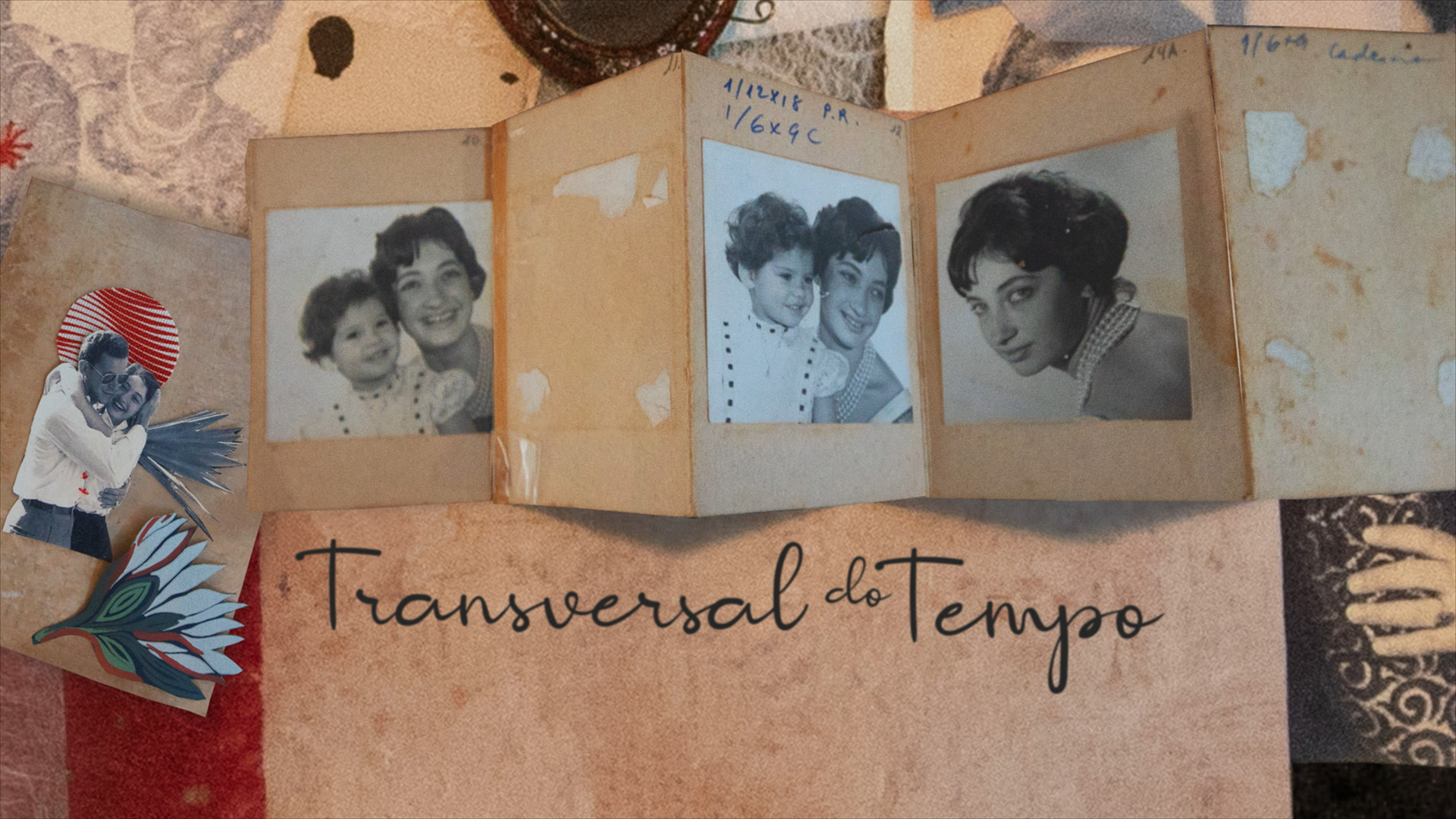
The Crossing Time Series Features 13 Episodes Of 26 Minutes Each, Focusing On Characters Over 60 Years Of Age. The Series, Through These Characters, Proposes A Reflection On The Most Diverse Challenges Of This Period Of Life.

2019
The Third Season Of O Milagre De Santa Luzia Is Focused On Women Artists, Featuring 13 Characters From Different Corners Of The Country, In The Tradition Of Showing A Deeper Brazil.

2018
The Film Cuban Doctors, Shown On Globo News, Proposes A Reflection On The Cuban Doctors Project, Through 3 Characters. A Cuban Hero; A Doctor Who We Followed For 3 Years Residing In Brazil And A Young Man Who Joined The Last Group Of Doctors Who Entered The Usa Before The Closing Of The American Program.
2018
Launched By Sesctv In November 2013, The Series Habitat Presents, In Documentary Language, Different Ways Of Living In The Country And Their Relationship With Culture. This Season, The Series Addresses The Issue Of Housing Not Only As A Physical Space, But Also As A Space For Coexistence, Affection And Displacement. In The 13 Episodes, Life […]

2017
Moacir Is A Very Experimental Documentary Feature Film, Made In Co-Production With Argentina, About The Homonymous Character.

2016
Part of the music event of the same name, this series of short films focuses on Brazilian musicians living and working in Europe, as well as European musicians whose work is connected to Brazilian music. Sponsored by Rimowa.


2016
Thirteen Episodes Of 26 Minutes, Covering Ways Of Developing Sustainable Actions Both In A Macro Dimension And In Small-Scale Activities. The Series Was Shown On The Channel Curta And Futura Channels.

2016
Thirteen Episodes Of 26 Minutes, Covering Ways Of Developing Sustainable Actions Both In A Macro Dimension And In Small-Scale Activities. The Series Was Shown On The Channel Curta And Futura Channels.

2016
The Second Season Is Composed Of 26 Episodes Of 26 Minutes And Features Places In Brazil Where The Reoccupation Of Public Space Took Place Very Successfully.
2015
The Second Season Consists Of 52 Programs Of 26 Minutes Each, Shown On Tvs Cultura, Tv Brasil, Curta, Cinebrasil Tv And Futura. It Features Musicians And Artists From All Over Brazil And Continues The Project That Was Born With The Feature Film Of Same Name.
2015
Series Of 13 Episodes Showing A Large Variety Of Housing Situations In Brazil. From The Sertaneja House To The Japanese House, Including Stilt Homes, Slums And Other Dwelling Forms.
2014
Journalist and writer Paulo Markun returns for a new season of interviews with figures from Brazil’s history, including Chiquinha Gonzaga, André Rebouças, Joaquim Nabuco, and the Marchioness of Santos, in a unique interplay between history, journalism, and the performing arts. Coproduction with Arapy. Broadcast on Canal Brasil, TV Cultura and TV Escola.

2014
Through Testimonials From Families And 10 Iconic Symbols, The Film Tells The Story Of Electricity In Brazil Over 100 Years.
2014
Thirteen Episodes Of 26 Minutes, Covering Ways Of Developing Sustainable Actions Both In A Macro Dimension And In Small-Scale Activities. The Series Was Shown On The Channel Curta And Futura Channels.
2013
On A Trip Throughout Brazil, The 52-Episode Series Travels Through The Most Diverse Regions Where The Accordion Gained Prominence And Where Its Greatest Interpreters Emerged. Among Them Dominguinhos, Who, Considered The Greatest Accordionist In The Country, Drives His Truck Along The Roads, Since He Has Not Been On A Plane For 30 Years. Through The […]
2013
The 13-Episode Series Architectures Will Bring In Each Chapter The Story Of A Brazilian Building. The Sites Chosen Are Significant For The History Of Architecture In Brazil, From The Colonial Period To The Present Day. The Series Seeks To Point Out The Changes In The Principles That Have Guided Architectural Practice Over Time And Their […]

2011
Traveling With Her Camera Through The Male Universe Of Rodeo, A Woman Comes Across Knights, Heroes, Gladiators, Country People, Cowboys… The Common Man. Deciphering The Masculine Entails Sweetness And Violence. A Man Who Understands A Woman, And Not Just Contemplates Them, Turns Up.
2010
An interview series in which journalist and writer Paulo Markun adapts the classic talk-show format into a journey through time. In each episode, Markun engages in live conversations with figures who played a role in Brazilian history, such as the Baron of Mauá, Anita Garibaldi, Oswald de Andrade, and Mário de Andrade, creating a unique […]
2010
Aired As An End-Of-Year Special In 2008 By Tv Cultura, The Series Features 6 Programs About 6 Contemporary Brazilian Visual Artists In Relation To The Cities Where They Live And Their Artistic Work.

2009
The documentary explores the existence and identity of Brazilian fashion through the perspectives of fashion designers, consultants, and historians. Among the figures featured in the series are Ronaldo Fraga, Costanza Pascolato, Alexandre Herchcovitch, Regina Guerreiro, and Elke Maravilha. Released in Brazilian movie theaters in August 2009, including the Unibanco and Cinemark cinema circuits.

2009
Fifty years later, key figures of Teatro de Arena (Arena Theatre) return to the venue to share their memories and experiences. This documentary brings together these stories, recorded during the event Arena conta Arena in 2004, organized by Cia Livre in São Paulo. Produced in partnership with TV Cultura.
2009
The series is one of the most extensive audiovisual memory projects on dance in Brazil. Its purpose is to give voice to the protagonists of the dance scene themselves, weaving together first-person testimonies, archival footage, interviews with other artists, and choreographic recordings to create a mosaic that functions both as a historical testimony and as […]

2009
On A Trip Throughout Brazil, The Film Travels Through The Most Diverse Regions Where The Accordion Gained Prominence And Where Its Greatest Interpreters Emerged. Among Them Dominguinhos, Who, Considered The Greatest Accordionist In The Country, Drives His Truck Along The Roads, Since He Has Not Been On A Plane For 30 Years. Through The Accordion, […]

2006
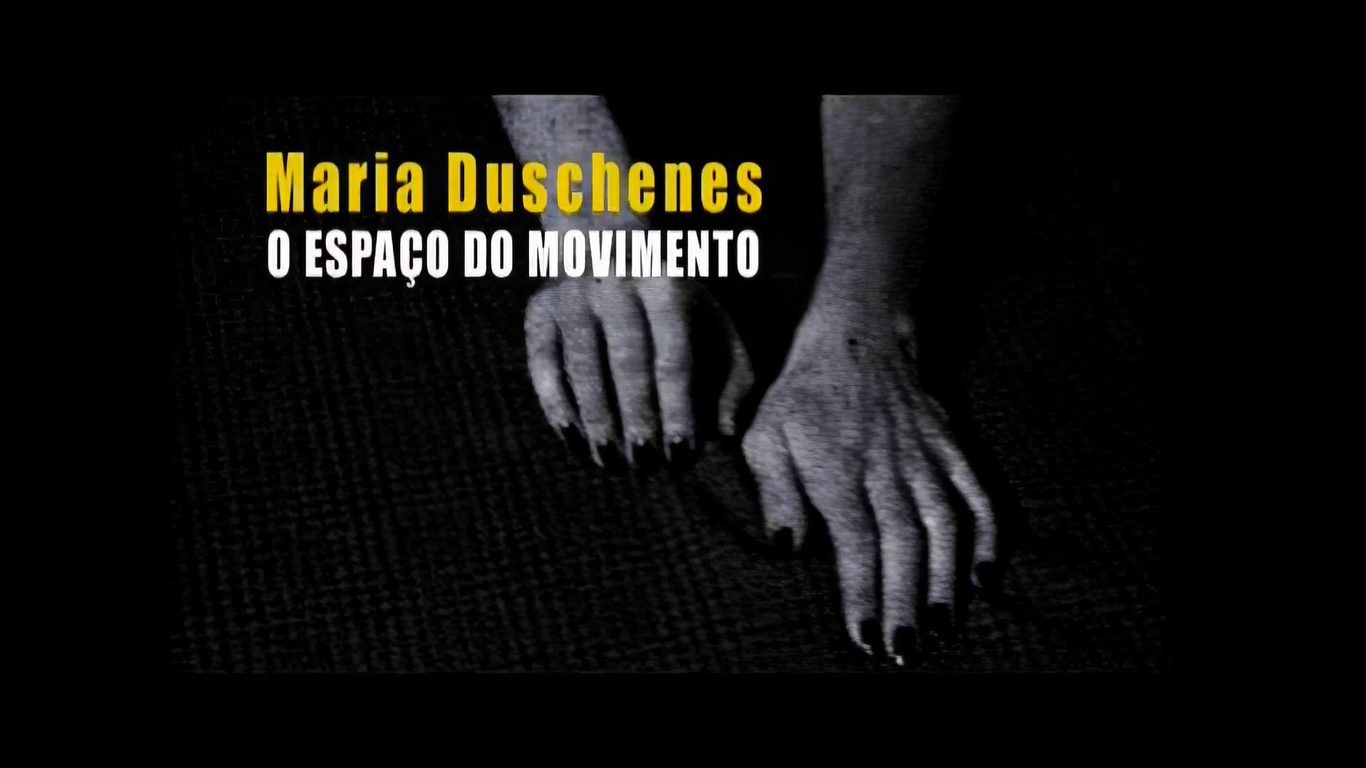
The film tells the story of the Hungarian artist who, from the 1940s onward, helped shape and define the identity of dance in São Paulo. Winner: Prêmio Funarte / Klauss Viana de Dança. Sponsor: Petrobras
2005
This documentary records and showcases the various aspects of the historical development of the countryside of São Paulo State, with the aim of highlighting and promoting the cultural richness of the State of São Paulo. Produced in partnership with UNESCO. Premiered at the Brazilian Cinematheque in November 2004 and at Itaú Cultural in July 2005. […]

2000
Guided by excerpts from Veríssimo’s inspiring work Time and the Wind, the documentary poetically evokes the cultural foundations of the state of Rio Grande do Sul: its vast plains, cattle, horsemen, wool, and wind.